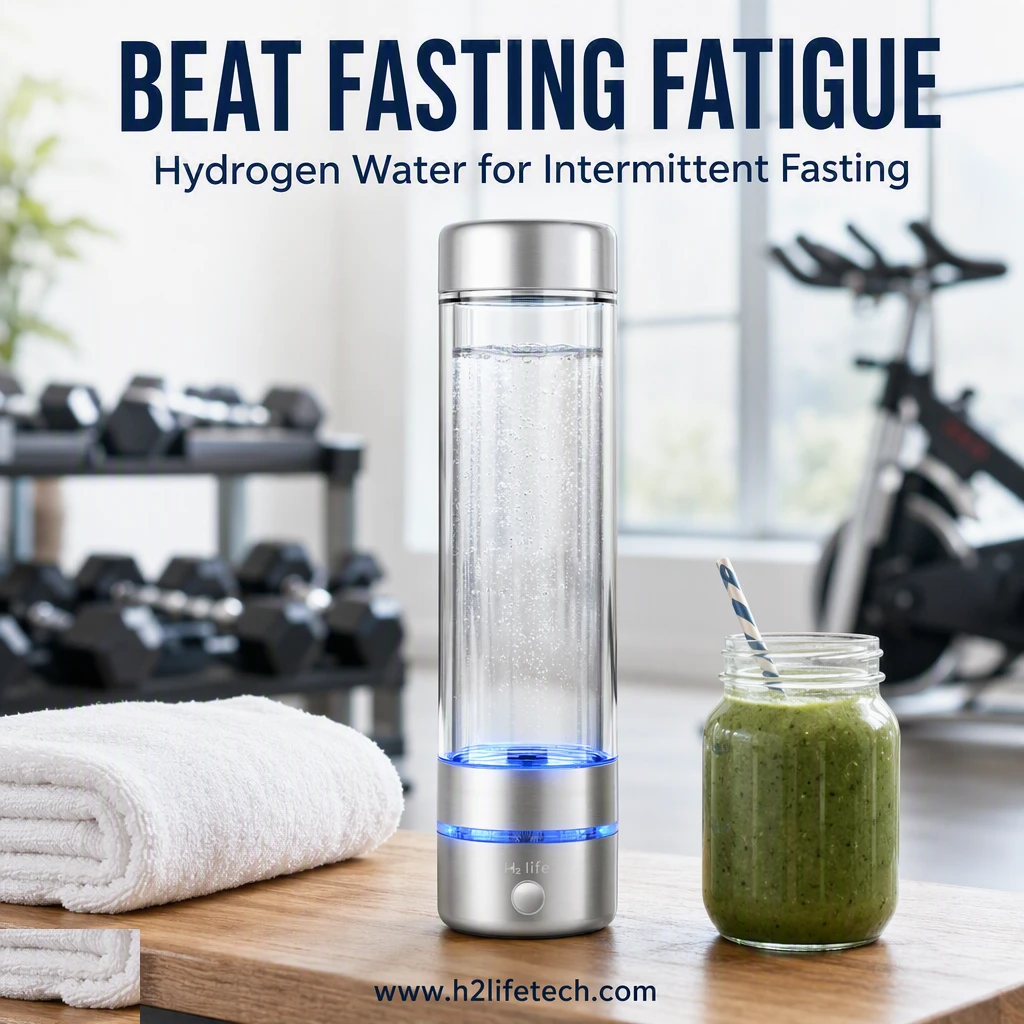
Intermittent fasting has become the go-to wellness strategy for the modern professional, athlete, or parent. Whether you follow a 16:8 schedule, an 18:6 window, or OMAD, the goal is the same: metabolic flexibility, mental clarity, and sustainable energy. However, the physiological transition into long fasting windows presents a distinct challenge: Fasting Fatigue.
As the body shifts its metabolic state, the common symptoms of brain fog, lethargy, and muscle weakness often set in by mid-afternoon. While traditional advice focuses on the quantity of water consumed before a fast, elite wellness science suggests we should be focusing on the quality and molecular structure of that hydration.
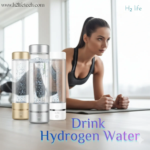
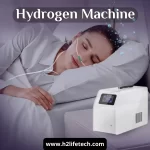
Enter the “Fasting Bio-Hack”: Molecular Hydrogen (H2) Water. By leveraging the advanced PEM/SPE technology found in H2 Life Tech systems, fasters can now support their cellular resilience, ensuring that the physical demands of a fasting window do not diminish its mental benefits.
The Physiology of Fasting Fatigue: What Happens at the Cellular Level?
To solve fasting fatigue, we must first understand its root cause. It is a mistake to blame fatigue solely on a lack of calories. The human body is remarkably efficient at switching to stored energy (fat) for fuel. The true culprit is often Oxidative Stress.
When you fast, your body undergoes “autophagy”—a cellular cleanup process. While beneficial, this metabolic shift, combined with dehydration and changes in sleep patterns, increases the production of Reactive Oxygen Species (ROS), commonly known as free radicals. These unstable molecules attack your mitochondria (the powerhouses of your cells), leading to the “afternoon slump” that many experience during a long fast.
Standard tap or bottled water provides volume, but it does nothing to neutralize this oxidative “rusting” of your cells. This is where the strategic intervention of Hydrogen Water changes the game.
Why Molecular Hydrogen is the Ultimate Fasting Upgrade
Molecular Hydrogen is the smallest molecule in the universe. Its size allows it to cross the blood-brain barrier and penetrate deep into the mitochondria and nucleus of your cells—areas where traditional antioxidants like Vitamin C or E cannot easily reach.
1. Selective Antioxidant Action
Unlike many supplements that indiscriminately neutralize all free radicals (including those your body needs for signaling), H2 is a selective antioxidant. During a fast, it specifically targets the most toxic hydroxyl radicals, neutralizing them into harmless water (H2O). This means you aren’t just hydrating; you are actively supporting your internal environment.
2. Supporting ATP (Energy) Production
Research indicates that Molecular Hydrogen can stimulate mitochondrial function. For someone in a fasting window, this translates to a sustained release of energy. By drinking H2-rich water before your fast begins, you are essentially “priming” your cellular engines to run more efficiently on less fuel.
3. Neuroprotection and Cognitive Clarity
“Fast-brain” or cognitive lethargy is a major hurdle for those working high-stakes jobs during a fasting window. Studies have shown that H2 has neuroprotective properties, reducing neuroinflammation. This helps your focus remain sharp from the first hour of the fast to the last.
Integrating H2 Life Tech into Your Fasting Routine
To maximize the benefits of H2 Life Tech during intermittent fasting, timing and consistency are strategic imperatives.
The Pre-Fast Protocol: The “Pre-Load”
The goal of your pre-fast meal is to prepare the body for 12–16 hours without calories. Instead of “chugging” liters of plain water—which often leads to electrolyte dilution and frequent bathroom trips—focus on 500ml–700ml of high-concentration Hydrogen water.
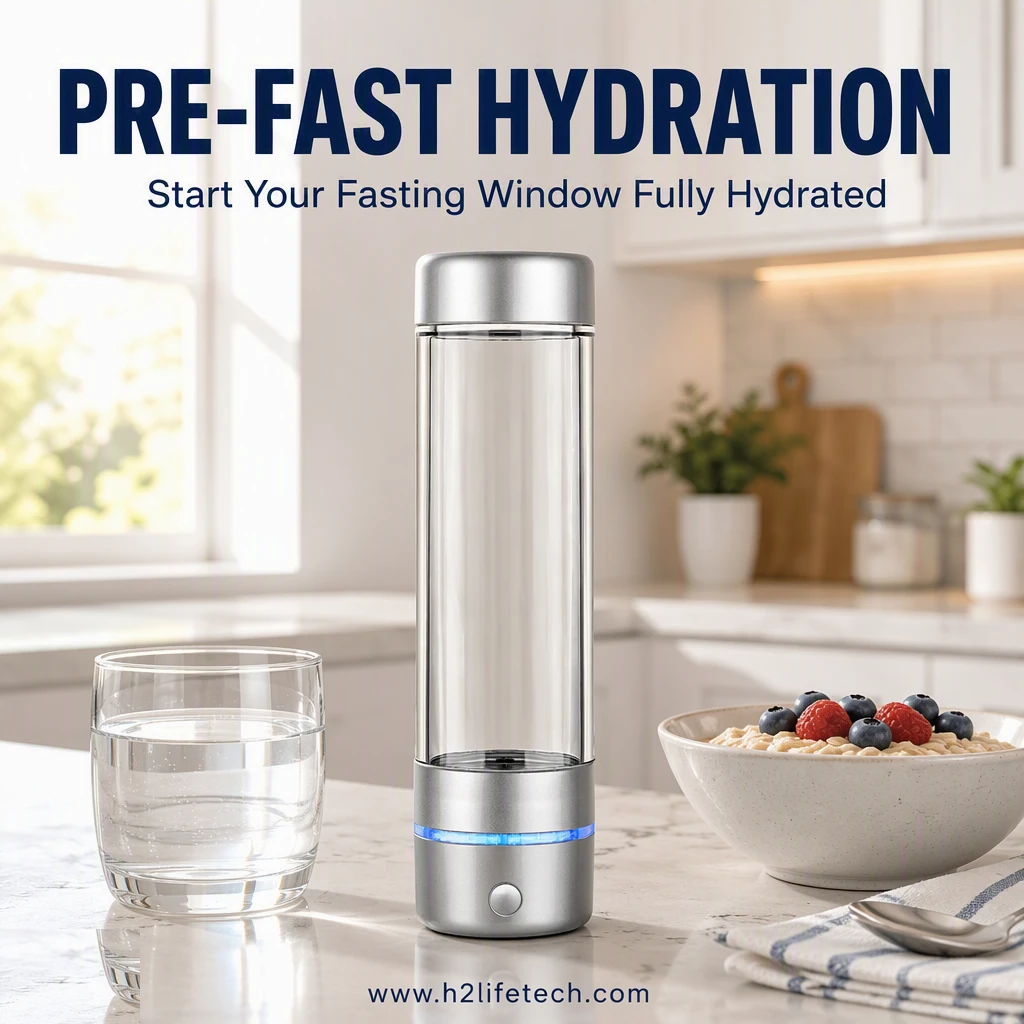
- The Apex Tip: Use an H2 Life Tech portable generator to produce fresh hydrogen water minutes before consumption. Hydrogen gas dissipates quickly; freshness is the key to potency.
The Fast-Breaking Strategy: The “Recovery Reset”
Breaking a fast is often accompanied by a surge in blood sugar and a sudden metabolic workload as the body processes nutrients. This “re-feeding” period creates a second spike in oxidative stress.
- Drinking H2 water as your first liquid when breaking your fast helps neutralize the immediate byproducts of digestion and prepares your muscles for evening exercise or recovery.
The Science: Why PEM/SPE Technology Matters
Not all hydrogen water is created equal. Cheap ionizers often produce ozone and chlorine as byproducts. H2 Life Tech utilizes Proton Exchange Membrane (PEM) and Solid Polymer Electrolyte (SPE) technology.
This ensures:
- High Concentration: Achieving 2.0ppm to 3.0ppm (parts per million) of dissolved H2.
- Purity: 99.9% pure hydrogen gas without toxic byproducts.
- Stability: Nano-bubble technology that keeps the gas dissolved in the water longer.
Scientific References and Clinical Backing
The potential of hydrogen water isn’t anecdotal; it is grounded in over 1,000 peer-reviewed studies.
- Antioxidant Power: Ohsawa et al. (Nature Medicine, 2007) demonstrated that H2 acts as a therapeutic antioxidant by selectively reducing cytotoxic oxygen radicals.
- Anti-Fatigue Effects: A study published in the Journal of Sports Medicine and Physical Fitness showed that hydrogen-rich water helps reduce blood lactate levels and improves muscle fatigue—critical for those maintaining an active lifestyle while fasting.
- Metabolic Support: Research in Obesity (Silver Spring) found that long-term consumption of H2 water reduced oxidative stress in the liver and improved glucose metabolism.
Frequently Asked Questions (FAQ)
Q1: Can I drink Hydrogen water while fasting?
Answer: Yes. Pure hydrogen water contains zero calories and no additives, and it does not trigger an insulin response. It will not break your fast, and it is perfectly suitable for consumption throughout your fasting and eating windows alike.
Q2: How much H2 water should I drink to see results?
Answer: Clinical studies suggest a minimum of 500ml to 1000ml (1 liter) per day. When fasting, aim for two 500ml sessions: one before your fasting window begins and one when you break your fast.
Q3: Why can’t I just take Vitamin C instead?
Answer: Vitamin C is a large molecule that cannot enter the mitochondria as effectively as H2. Furthermore, Vitamin C can be “pro-oxidant” in high doses, whereas Molecular Hydrogen has no known toxic upper limit and only reacts with harmful radicals.
Q4: Is H2 Life Tech safe for the elderly and children?
Answer: Yes. Hydrogen is a naturally occurring gas in the human gut. Hydrogen water is simply pure water with extra hydrogen molecules. It is safe for all ages and particularly helpful for the elderly who may struggle with the hydration demands of a long fast.
Conclusion: A More Mindful Fast
Intermittent fasting is a practice of discipline and self-awareness. By removing the physical barrier of “Fasting Fatigue,” you allow your mind to focus on what truly matters.
Leveraging H2 Life Tech isn’t about finding a shortcut; it’s about using the best of modern science to support an ancient practice. This year, don’t just survive the fast—thrive within it. Upgrade your cellular health, sharpen your focus, and experience a fasting routine characterized by vitality and clarity.
Reference
1. The Foundation: Selective Antioxidant Properties
This is the seminal paper that launched the modern study of molecular hydrogen. It proves that H2 selectively neutralizes the most toxic radicals (·OH) without harming the beneficial ones.
- Study: Hydrogen acts as a therapeutic antioxidant by selectively reducing cytotoxic oxygen radicals.
- Journal: Nature Medicine (2007).
- Authors: Ohsawa, I., et al.
- Link: https://www.nature.com/articles/nm1577
2. Fatigue & Physical Performance
For those staying active while fasting, this study confirms that hydrogen-rich water (HRW) prevents the buildup of lactate and reduces muscle fatigue—perfect for beating the “afternoon slump” or supporting evening workouts.
- Study: Effects of drinking hydrogen-rich water on muscle fatigue in athletes.
- Journal: Medical Gas Research (2012).
- Authors: Aoki, K., et al.
- Link: https://www.ncbi.nlm.nih.gov/pmc/articles/PMC3395574/
3. Metabolic Support & Energy
This research explores how H2 stimulates energy metabolism by inducing the expression of the hormone FGF21, effectively “supercharging” the mitochondria—the core mechanism for fighting fasting lethargy.
- Study: Molecular hydrogen improves obesity and diabetes by inducing hepatic FGF21 and stimulating energy metabolism.
- Journal: Obesity (Silver Spring) (2011).
- Authors: Kamimura, N., et al.
- Link: https://pubmed.ncbi.nlm.nih.gov/21293445/
4. Cognitive Function and Mood
Fasting can lead to irritability and “brain fog.” This study shows that 4 weeks of hydrogen water consumption improved mood, anxiety, and autonomic nerve function—key to staying balanced and focused during a long fast.
- Study: Hydrogen-rich water improves quality of life as examined by sleep quality and mood.
- Journal: Medical Gas Research (2017).
- Authors: Mizuno, K., et al.
- Link: https://www.ncbi.nlm.nih.gov/pmc/articles/PMC5806444/
5. Anti-Inflammatory Effects
This review summarizes how H2 acts as a signaling molecule to regulate inflammation, which is essential for systemic recovery during extended fasting periods.
- Study: Molecular hydrogen: a preventive and therapeutic medical gas for various diseases.
- Journal: Oncotarget (2017).
- Authors: Ichihara, M., et al.
- Link: https://www.ncbi.nlm.nih.gov/pmc/articles/PMC5731988/
- Ohsawa, I., et al. (2007). “Hydrogen acts as a therapeutic antioxidant by selectively reducing cytotoxic oxygen radicals.” Nature Medicine, 13(6), 688–694.
- Ichihara, M., et al. (2015). “Beneficial biological effects and the underlying mechanisms of molecular hydrogen – comprehensive review of 321 original articles.” Medical Gas Research, 5(1), 12.
- Huang, C. S., et al. (2010). “Anti-inflammatory effects of hydrogen-rich saline in lipopolysaccharide-induced acute lung injury in mice.” Biochem Biophys Res Commun, 393(3), 577–582.
- Yamaguchi, T., et al. (2012). “Consumption of hydrogen water reduces ROS production in blood.” Medical Gas Research, 2(1), 12.
- Aoki, K., et al. (2012). “Pilot study: effects of drinking hydrogen-rich water on muscle fatigue caused by acute exercise in elite athletes.” Medical Gas Research, 2(1), 12.
- Song, G., et al. (2013). “Hydrogen-rich water decreases serum LDL-cholesterol levels and improves HDL function in patients with potential metabolic syndrome.” Journal of Lipid Research, 54(7), 1884–1893.
- Nicolson, G. L., et al. (2016). “Clinical effects of hydrogen administration: from animal and human diseases to exercise medicine.” International Journal of Clinical Medicine, 7, 32–76.